Why Texas Just Put a “Clean” Brand on Probation — and What It Means for Your Workout Wardrobe
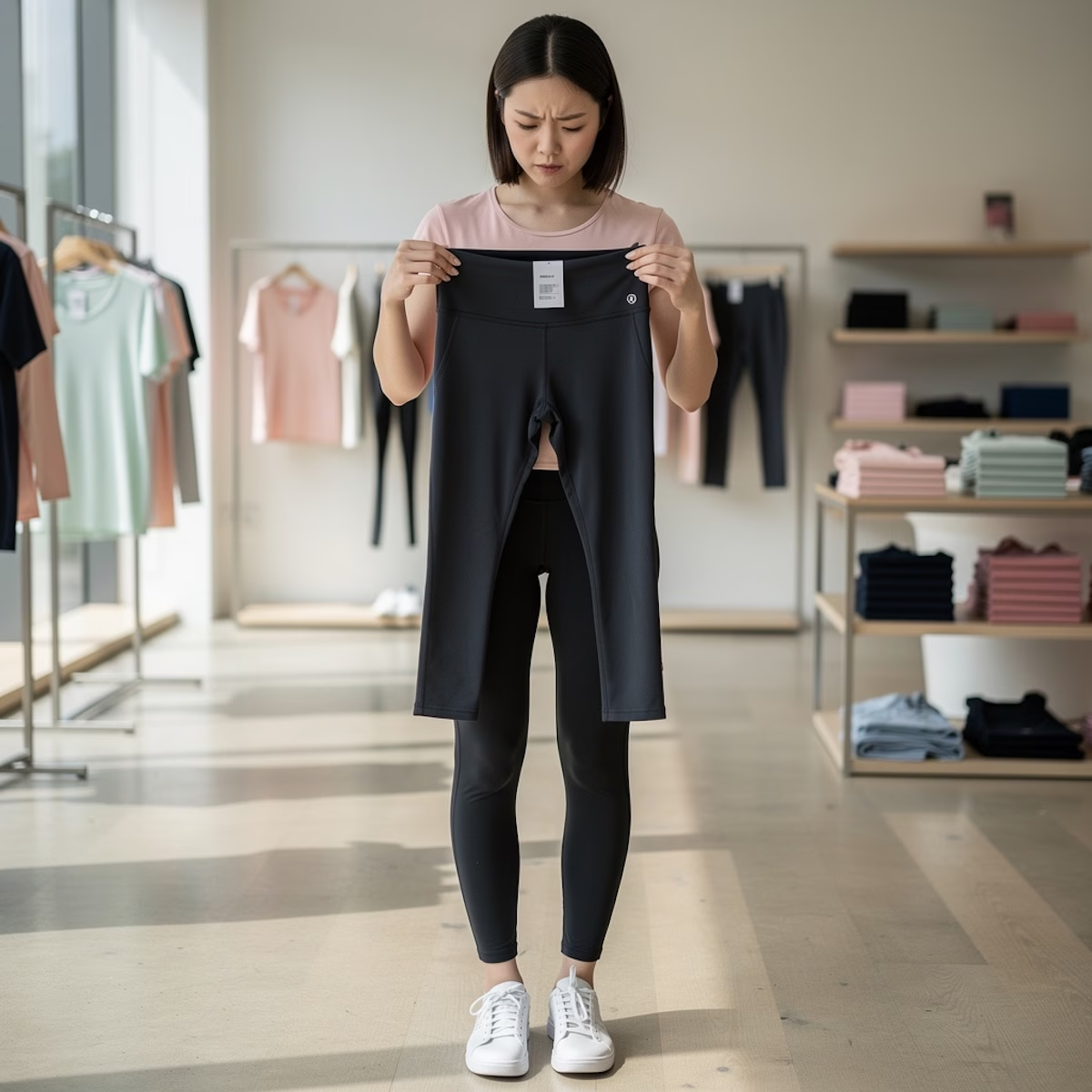
You would think a clean test means a clean conscience.
Think again.
On October 22, 2026, Texas Attorney General Ken Paxton announced that Lululemon had signed an Assurance of Voluntary Compliance. The state found no PFAS in the brand’s fabrics. None. Zero.
So why did Lululemon also land on a three-year oversight plan?
Because “no PFAS detected” is not the same as “prove it.” And Lululemon could not fully prove it — at least not for every vendor, every time. The state alleged that the company failed to collect and maintain signed Restricted Substances List Certificates of Acknowledgement from two vendors for one edition of its RSL.
That is paperwork. But in 2026, missing paperwork is enough to trigger a court-approved watch list.
Here is what that means for you.
The Settlement Sounds Like a Win. Read the Fine Print.
Lululemon denies wrongdoing. The settlement carries no fine and no admission of guilt. The company says the agreement simply “reiterates how the company already operates.”
Fair enough.
But the state did not walk away. For the next three years — through late 2029 — Lululemon must enforce its existing chemical standards across every supplier. Vendors must demonstrate compliance through independent lab testing or valid third-party certifications. Lululemon must verify those certifications, demand retesting when they expire, and take “commercially reasonable corrective action” against any supplier that falls short.
Paxton called it a consumer-protection win. And it is.
But it is also a warning: even a brand that tests clean can end up under government supervision if its supply chain documentation has gaps.
If That Can Happen to Lululemon, What About Everyone Else?
Lululemon was the first major brand targeted in Texas. It is now the first to reach a resolution.
The investigation is not slowing down.
Hanes and Fruit of the Loom remain under active state investigation over chemicals in children’s underwear. The same office that probed Lululemon is now digging into fabrics worn by toddlers.
The message is clear. Texas treats missing vendor paperwork as a serious threat to consumer safety. And the crackdown is expanding, not shrinking.
So here is the uncomfortable question every activewear shopper now faces:
If a multi-billion-dollar brand with its own lab reports still needs three years of government babysitting, how confident can you be about the leggings you bought last month?
The Transparency Gap Is the Real Toxin
PFAS — per- and polyfluoroalkyl substances — are the so-called “forever chemicals.” They resist water, resist heat, and resist breaking down in the human body. Research links them to hormonal disruption, immune suppression, and certain cancers.
You do not want them in your sweat-wear. Especially not against your skin for a 90-minute hot yoga session.
Lululemon says it phased out PFAS entirely in 2023. It submitted third-party lab reports to back that claim. Texas accepted the results.
Yet the investigation still happened. The paperwork gap still mattered. The oversight still exists.
That gap is the real toxin. Because uncertainty eats trust faster than any chemical.
What to Look for Instead
You cannot audit every brand’s vendor files yourself. But you can change what you demand before you buy.
Here is the checklist that actually protects you:
- Third-party certifications you can verify.
Look for GOTS (Global Organic Textile Standard), OEKO-TEX Standard 100, or Bluesign certification. These are not marketing stickers. They require independent lab testing, regular audits, and public standards. - Organic fibers that never needed PFAS in the first place.
Synthetic activewear relies on chemical treatments to manage moisture, odor, and stretch. Organic cotton and natural performance blends do not. When the fiber itself breathes, the factory does not need a forever chemical to fix it. - Brands that publish supply-chain details voluntarily.
If a company waits for a state investigation to release documentation, that is not transparency. That is damage control. The brands worth your money post certifications, list suppliers, and answer emails about chemical policy before the Attorney General knocks. - A short, readable Restricted Substances List.
Every serious brand should publish what it bans. If the list is hidden behind a contact form or written in legal jargon, ask why.
Why This Matters More Than Headlines
The Lululemon story will fade from your feed in a week.
The three-year oversight window will not. It runs through 2029. During that time, every batch of fabric, every new vendor, every updated certification will sit under a microscope.
That is good for consumers. But it is also a reminder: the activewear industry is still playing catch-up on chemical safety. And “catch-up” is not where you want your skin to live.
You deserve leggings that are safe because they were built safe — not because a state investigation finally forced the paperwork to line up.
The Bottom Line
Lululemon’s clean test result matters. If you already own their gear, you can wear it without fear of PFAS exposure.
But the watch list matters more. It proves that testing clean today does not guarantee a clean process tomorrow. It proves that supply-chain gaps are common enough to warrant government scrutiny at the highest levels. And it proves that the burden of proof is shifting — from brands to buyers, then back to brands again — in ways that create confusion, not confidence.
You do not need to wait for another state probe. You do not need to track which brand is on a watch list this quarter.
You need leggings with certifications you can check in thirty seconds. Organic fibers that never invited forever chemicals to the party. And a brand that treats transparency as standard operating procedure — not a settlement term.
That is not a luxury. That is the new baseline.
Shop accordingly.