From $128 Yoga Pants to $4 Kids’ Briefs: The PFAS Probe Just Expanded
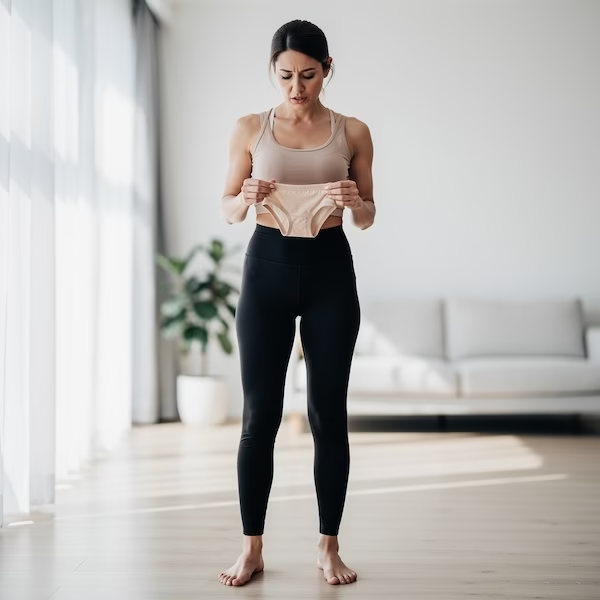
First, they investigated the $128 yoga pants.
Now the government is looking at the $4 three-pack of kids’ briefs.
On October 6, 2026, Texas Attorney General Ken Paxton sent Civil Investigative Demands to two of America’s biggest clothing brands: Hanes and Fruit of the Loom. The target? Not fraud. Not pricing tricks.
Chemicals that do not show up on any tag.
Paxton wants to know whether children’s underwear from these mass-market giants contains PFAS, phthalates, bisphenols, parabens, fluorine, and other toxins. He has not accused either company of wrongdoing. But the message is clear: the chemical crackdown is moving from luxury shelves to the basics every parent buys.
This Is the Same Probe That Hit Lululemon Six Months Ago
Back in April 2026, Paxton issued the exact same type of demand to Lululemon. The premium activewear brand — which generated over $11 billion in fiscal year 2025 — faces scrutiny over whether it misled health-conscious buyers about PFAS in its leggings and sports bras.
Now the probe has expanded. And it expanded directly into children’s clothing.
That matters for two reasons.
First, it signals that regulators no longer see toxic textiles as a niche problem for boutique brands. It is being treated as an industry-wide issue.
Second, children’s bodies absorb chemicals differently than adults. Smaller body weight means higher relative exposure. Developing endocrine systems are more vulnerable to hormone disruptors. Skin contact for a toddler is not the same as skin contact for a grown adult.
The stakes just got higher.
Who Owns What — and What They Said
Fruit of the Loom sits under Berkshire Hathaway. Hanes is owned by Gildan Activewear.
When Reuters asked for comment, Gildan responded immediately. A spokesperson stated the company will cooperate with the investigation and maintains strict manufacturing and sourcing standards. They specifically cited compliance with California’s Proposition 65 and industry-recognized Restricted Substance List requirements.
Fruit of the Loom and Berkshire Hathaway did not immediately respond to requests for comment as of October 6.
What Chemicals Are Actually Under Scrutiny?
Paxton’s investigation targets multiple classes of synthetic textile chemicals:
- PFAS (“forever chemicals” — linked to thyroid changes, obesity, and ADHD)
- Bisphenols (including BPA, tied to insulin resistance and hypertension)
- Phthalates (linked to cognitive delays, IQ loss, and asthma)
- Parabens and fluorine
- Microplastic shedding from synthetic fabrics during washing and drying
Research from the Environmental Justice Foundation found that 92.8% of plastic chemicals used in textiles present a high health risk. Even more troubling? 75.3% of chemicals used in clothing have no available toxicity data at all.
In other words: the industry is using chemicals it has not even studied.
One critical detail that rarely makes headlines: these compounds do not just sit on the fabric. They can be inhaled through airborne microplastics released during normal washing and drying. Your laundry room may carry more exposure risk than your closet.
Europe Already Banned One Key Chemical. The US Is Playing Catch-Up.
If you think this is purely a Texas issue, look across the Atlantic.
On October 10, 2026 — just four days after Paxton’s demands — the EU’s REACH Regulation entered force, banning PFHxA (a PFAS subtype) in clothing, accessories, and footwear above 25 parts per billion. France and Denmark already implemented even broader PFAS restrictions this year.
By October 10, 2027, those same limits expand to all other textiles, leather, furs, and hides.
Europe has drawn a hard line. Texas is drawing one at the state level. Federal US action? Still lagging.
For Health-Conscious Shoppers, This Is Validation
If you have already swapped to organic cotton, bamboo, or PFAS-certified activewear, here is the single most important takeaway: you were ahead of the regulators.
The expanding probe validates what informed consumers already suspected. Cheap synthetic fabrics — polyester, rayon, spandex — require extreme heat and chemical treatments during manufacturing. When demand for lower prices rises, chemical shortcuts follow. Premium brands and discount brands face the same supply-chain pressures.
But there is one difference.
You already made the better choice.
A 3-Step Checklist for Cleaning Up Your Family’s Wardrobe
Wondering what to do next? Start here.
1. Verify your certifications.
Look for OEKO-TEX Standard 100, GOTS-certified organic cotton, or explicit PFAS-free guarantees — not marketing buzzwords. A tag that says “natural” means nothing. A certification means everything.
2. Ask your brand the one question they cannot duck.
Email customer service. Ask directly: “Does this product contain PFAS, phthalates, or bisphenols?” Brands that test and track their supply chains will answer. Brands that do not… will not.
3. Treat kids’ clothes like skincare.
You read ingredient lists for lotion and sunscreen. Apply the same standard to what touches your child’s skin for twelve hours a day. Natural fibers absorb sweat instead of trapping it. They shed microplastics at rates close to zero. And they do not require chemical baths to exist.
The Bottom Line
Ken Paxton’s investigation is not a verdict. It is a warning.
Regulatory scrutiny has moved from premium yoga pants to children’s underwear. The EU has already banned key PFAS variants. Independent research continues to stack evidence against unregulated textile chemicals.
The question is no longer whether toxic synthetics are a problem. The question is which brands you will trust with your family’s skin.
And if you are already wearing organic leggings? You did not need a government probe to tell you what your body already knew.